How Blockchain Technology Works Step by Step

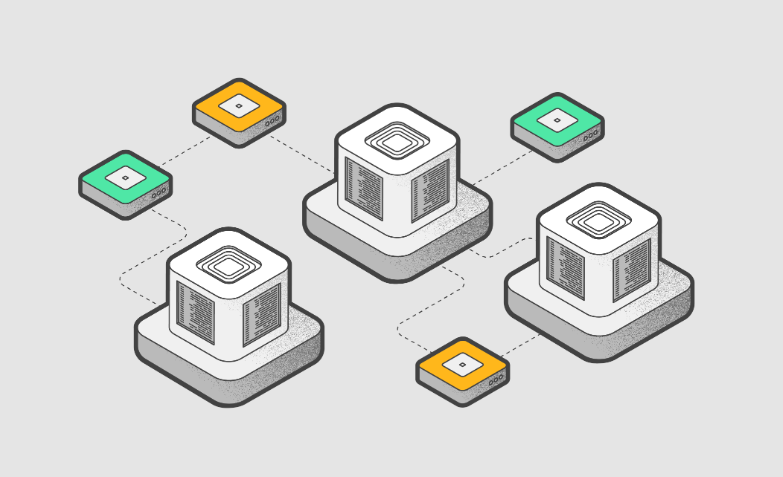
Blockchain technology functions through a systematic process that ensures secure and transparent transactions. Initially, a user initiates a transaction, which is then disseminated to a network of nodes. These nodes play a critical role in validating the transaction before it is permanently recorded. Understanding this intricate process requires an examination of several key components, including decentralization, cryptographic techniques, and consensus mechanisms. Each element contributes to the overall integrity of the blockchain system.
Understanding Decentralization
Decentralization serves as a foundational principle of blockchain technology, enabling a distributed network structure that minimizes reliance on a central authority.
This architecture utilizes peer to peer networks, allowing participants to directly interact and transact. By employing a distributed ledger, data integrity and transparency are enhanced, empowering users and promoting autonomy.
Consequently, decentralization fosters an environment conducive to innovation and equitable access to digital resources.
See also: simcookie
The Role of Cryptography
In a decentralized network, the integrity and security of transactions are paramount, and cryptography plays a vital role in achieving these objectives.
Advanced encryption methods safeguard data, ensuring that only authorized participants can access sensitive information.
Additionally, digital signatures authenticate transactions, providing a non-repudiable proof of origin.
Together, these cryptographic techniques fortify the blockchain’s resilience against fraud and unauthorized alterations, ensuring user autonomy.
Consensus Mechanisms Explained
While various blockchain networks operate on distinct principles, consensus mechanisms are essential for ensuring agreement among participants regarding the validity of transactions.
Two prominent methods are proof of work, which requires computational effort to validate transactions, and proof of stake, which relies on participants holding a stake in the network.
Each method influences security, decentralization, and energy efficiency within the blockchain ecosystem.
The Process of Transaction Verification
Transaction verification in blockchain networks is a systematic process that ensures the integrity and authenticity of transactions before they are permanently recorded on the distributed ledger.
This process involves transaction validation by network nodes, which independently assess the legitimacy of each transaction.
Once consensus is achieved, validated transactions are bundled into blocks, reinforcing trust and security within the decentralized framework of blockchain technology.
Conclusion
In the realm of digital finance, blockchain stands as a steadfast lighthouse amidst turbulent seas, guiding transactions through the fog of uncertainty. Each block is a stone in a sturdy bridge, connecting trust and transparency between distant shores. This intricate dance of decentralization, cryptography, and consensus mirrors the harmony of nature, where every element plays a vital role. As users traverse this bridge, they forge a collective future, anchored by the immutable promise of security and integrity.